AI Visibility Audit for Competitor Analysis
Strengthen Your Brand: Why You Need an AI Visibility Audit
In the current digital environment, businesses face mounting challenges in achieving visibility. An AI-driven visibility audit acts as a powerful strategic tool to evaluate online presence and performance. By identifying key gaps and opportunities, it provides essential insights for refining marketing efforts. This audit strengthens user experience and empowers brands to keep pace with shifting consumer behaviors. The key question is: how can these insights be strategically utilized to ensure continued growth and relevance?
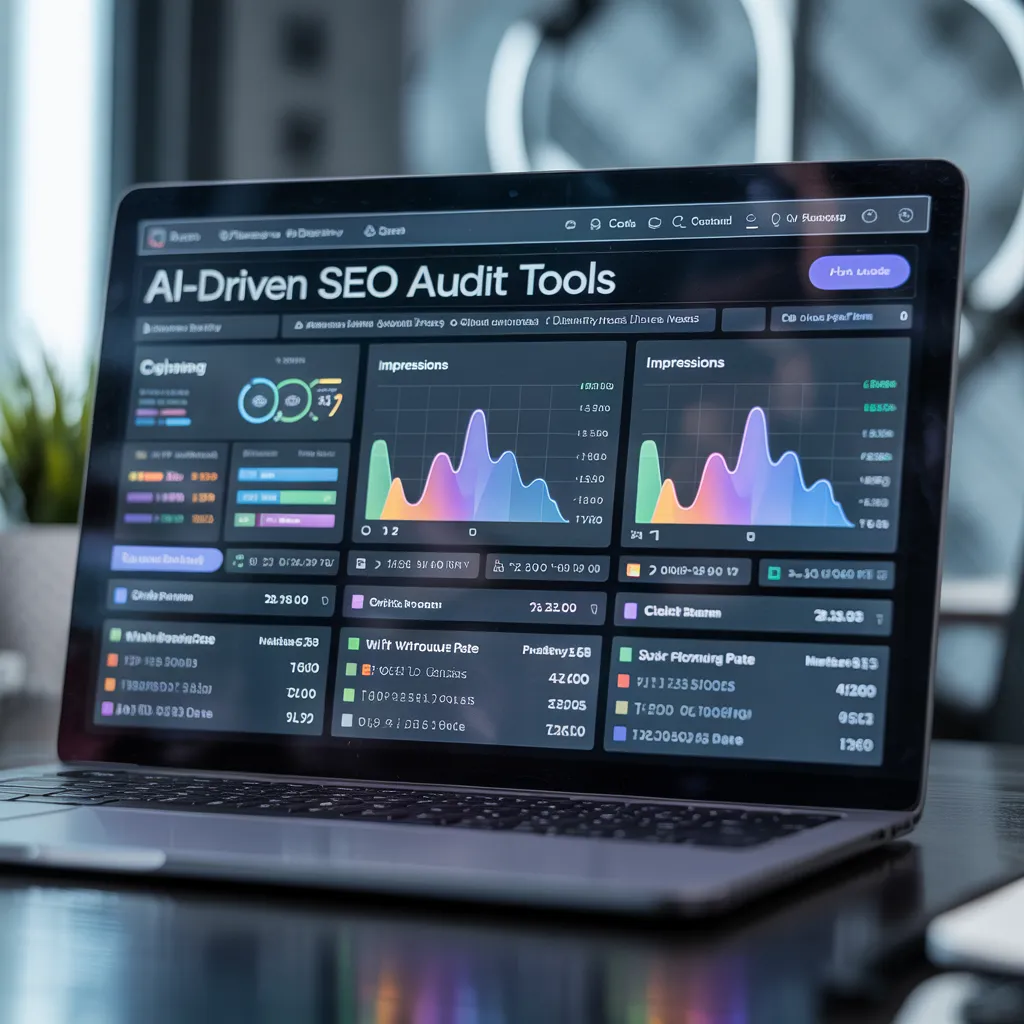
How an AI Visibility Audit Elevates Your Brand's Online Presence
An AI Visibility Audit can considerably boost a brand's digital footprint by detecting weaknesses and opportunities in online visibility. By leveraging advanced algorithms, the audit evaluates diverse online channels and platforms, highlighting areas where the brand could be underperforming. This evaluation encompasses search engine ranking, website performance, and social media engagement, delivering an in-depth overview of digital health.
The knowledge obtained from the audit allow brands to enhance their strategies, ensuring that content aligns with audience expectations and search trends. Strengthening keywords and elevating user experience can contribute to enhanced visibility, drawing in a broader audience. Additionally, brands can identify competitive advantages, allowing them to position themselves more effectively in the marketplace. In the end, an AI Visibility Audit acts as a driving force for transformation, enabling brands to evolve and succeed in a rapidly growing digital landscape. This proactive approach fosters sustainable growth and enhances overall brand recognition.
The Reasons an AI Visibility Audit Is Revolutionary for Your Brand
In what ways can brands effectively leverage the strength of their digital presence? An AI visibility audit emerges as a pivotal tool in this endeavor. By utilizing cutting-edge algorithms and analytical tools, brands can achieve a deep awareness of their digital landscape. This approach not only clarifies a brand's complete article position within the expansive digital environment but also uncovers unexplored avenues for interaction and expansion.
An AI visibility audit delivers valuable insights, enabling brands to improve their strategies using real-time data. This proactive approach helps identify strengths and weaknesses, guaranteeing that brands can efficiently direct resources to boost visibility. Furthermore, it fosters a more agile response to market changes, allowing brands to adjust rapidly and maintain a competitive edge. At its core, embedding an AI visibility audit into brand strategy redefines how companies connect with their audience, leading to sustained growth and a stronger market presence.
Recognizing Visibility Gaps With AI-Powered Tools
Recognizing visibility gaps is critical for brands seeking to strengthen their online presence. Artificial intelligence tools can thoroughly assess search engine rankings, monitor social media performance, and analyze content metrics to identify these gaps. By utilizing this information, brands can create focused strategies to enhance their overall visibility.
Understanding Search Engine Rankings
Assessing search engine rankings highlights critical visibility gaps that businesses often miss. Through employing artificial intelligence tools, firms can evaluate their placements across various keywords and pinpoint where they come up short against competing businesses. Such an analysis brings to light not only the keywords that generate traffic but also highlights overlooked opportunities in popular searches. Advanced AI systems can sort through large volumes of data, locating areas where content optimization is needed. In addition, these platforms can measure critical performance measurements, such as engagement rates and bounce metrics, to gauge visitor interaction. Comprehending these details enables companies to enhance their tactics, guaranteeing they attract higher volumes of organic traffic and strengthen their digital presence, culminating in improved brand visibility and recognition.
Evaluating Social Media Presence
What aspects influence a brand's visibility on social media? Key elements include content relevance, audience demographics, and engagement rates. An AI visibility audit can effectively identify gaps by examining these key elements. Artificial intelligence tools evaluate ideal timing, posting frequency, and platform-specific approaches to enhance reach. These tools can further analyze competitor behavior, uncovering chances for standing out. By leveraging sentiment analysis, brands can gauge public perception and adjust their messaging accordingly. Additionally, AI can track trending topics and hashtags, enabling brands to align their content with current conversations. Ultimately, leveraging AI tools provides valuable insights, empowering businesses to optimize their social media strategies and elevate their presence in a competitive market.
Analyzing Content Performance Metrics
Evaluating content analytics is critical for brands seeking to enhance their reach on digital platforms. By utilizing AI tools, companies can systematically analyze critical metrics such as interaction levels, audience reach, and conversion metrics. Such data enables brands to detect weaknesses in their marketing approach. For illustration, artificial intelligence can identify low-performing content or content types, allowing companies to adjust their strategy effectively. Additionally, examining audience demographics and behaviors through AI-driven tools supports the creation of personalized content that resonates more deeply with defined audience groups. Ultimately, a thorough evaluation of content analytics not only shapes upcoming content strategies but also optimizes resource allocation, helping businesses preserve a competitive edge in an rapidly shifting digital landscape.
How Can AI Insights Uncover Customer Engagement Patterns?
AI insights are essential in identifying customer interaction patterns by effectively analyzing key engagement data. This examination enables the instant identification of behavioral trends, enabling businesses to act in advance. Moreover, these insights enable the prediction of upcoming engagement patterns, strengthening overall customer experience strategies.
Understanding Engagement Metrics Effectively
Engagement data plays a critical role in identifying customer behavioral patterns, offering invaluable information that shapes marketing strategies. Through the analysis of data including click-through rates, social media engagement, and website dwell time, companies can measure how well their content connects with their target audience. Artificial intelligence tools facilitate the recognition of these patterns by analyzing vast amounts of data with speed and precision. They highlight which content types generate the most engagement and reveal peak activity times, enabling marketers to refine their strategies. Additionally, AI can segment audiences based on engagement levels, enabling brands to sharpen their messaging strategies. In the end, thorough analysis of engagement metrics enables businesses to strengthen customer relationships and boost overall marketing performance.
Detecting Behavioral Trends in Real Time
As companies look to improve their marketing approaches, the power to detect behavioral shifts in real-time grows increasingly important. AI-driven insights act as a valuable resource for revealing customer engagement trends, allowing brands to track interactions across various platforms. Through the examination of data including browsing behavior, purchase records, and social media engagement, AI tools can identify which products or services capture the most engagement. This instant identification of trends enables companies to adapt their marketing efforts swiftly, concentrating on what connects with their target market. Furthermore, recognizing these behavioral trends assists companies in improving their communications and elevating customer experiences, driving higher levels of customer commitment and sales performance. This intelligence is essential for keeping pace with the demands of a competitive industry.
Projecting Future Interaction Behaviors
Understanding customer behavior not only aids in identifying current trends but also serves a key function in forecasting future interactions. AI-driven tools process vast datasets, revealing patterns such as high-activity windows and preferred contact channels. By studying historical behavior, AI uncovers relationships that indicate how customers might respond to future marketing efforts. For instance, if a brand detects increased engagement during specific promotions, it can tailor future campaigns accordingly. Additionally, AI can segment audiences based on predicted behavior, enabling personalized marketing strategies. This forward-thinking approach not only enhances customer satisfaction but also streamlines resource distribution, ensuring that brands remain dynamic and reactive in an ever-evolving market landscape. Ultimately, employing AI to predict customer interactions fosters brand loyalty while fueling business growth.
Elevate Your Marketing Strategies With AI-Driven Insights
Leveraging AI-driven insights can markedly strengthen marketing efforts, allowing businesses to reach data-driven conclusions with precision. By processing extensive datasets, AI can uncover customer preferences, trends, and behaviors that inform targeted campaigns. This level of analysis enables marketing professionals to tailor content, guaranteeing it connects with specific audience segments, thereby increasing audience engagement and conversion rates.
Additionally, AI can enhance ad spend by forecasting which channels produce the highest ROI. It supports instant changes to advertising campaigns, making sure that marketing efforts continue to be flexible and adaptive to shifting market trends. Predictive modeling can further strengthen customer retention strategies by recognizing potential churners, enabling companies to execute prompt corrective measures.
Integrating artificial intelligence-driven insights fosters a strategic approach to marketing, ultimately fueling growth and brand loyalty. As companies embrace this technology, they position themselves as leaders in the competitive market, optimizing their overall marketing effectiveness.
How to Effectively Apply Your AI Visibility Audit Findings
Utilizing results from an AI visibility audit necessitates a deliberate framework to ensure discoveries convert into practical outcomes. Companies ought to start by identifying the critical discoveries that correspond with their organizational goals. This prioritization enables focused resource allocation and enhances the effectiveness of subsequent initiatives.
Next, transforming data insights into precise, trackable targets is essential. As an illustration, if an analysis identifies minimal interaction on social media platforms, a company might define an objective to boost engagement by a defined percentage within a set timeframe.
Execution should encompass interdepartmental cooperation, making certain that marketing, sales, and customer service teams are unified in their approach. Periodically reassessing and modifying approaches grounded in real-time performance indicators can promote ongoing advancement.
Lastly, capturing the process and findings assists in enhancing future audits and upholding a cycle of ongoing improvement. By adhering to these steps, brands can efficiently utilize their AI visibility audit findings for the greatest effect.
Common Questions and Answers
How Regularly Should I Run an AI Visibility Audit
An AI visibility audit ought to be carried out a minimum of two times annually to ensure optimal performance and ongoing relevance. Routine evaluations enable organizations to keep pace with evolving AI technologies and market demands. Furthermore, significant changes, such as updates to algorithms or shifts in consumer behavior, may necessitate more frequent audits. This forward-thinking method supports a robust online presence and ensures strategies remain in line with current industry standards. Regular auditing practices are essential for long-term success.
What Tools Are Best for Performing an AI Visibility Audit
Multiple tools stand out when it comes to performing AI visibility audits. Google Analytics delivers valuable data on website traffic and user behavior. SEMrush provides comprehensive SEO analysis, while Ahrefs evaluates backlink profiles and keyword rankings. Moz's tools prove valuable for monitoring domain authority and search engine visibility. Additionally, Screaming Frog helps in technical SEO audits, ensuring peak site performance. Collectively, these resources equip organizations to evaluate and enhance their online presence effectively.
Are AI Visibility Audits Beneficial for Small Businesses?
Indeed, small businesses stand to benefit enormously from an AI visibility audit. This approach enables them to uncover weaknesses in their online presence, refine their digital strategies, and boost customer engagement. By utilizing the findings from the audit, small businesses can enhance their search engine rankings and customize their marketing efforts to more effectively reach target audiences. In the end, an AI visibility audit enables small businesses to perform more competitively in a digital environment controlled by larger corporations.
What Is the Timeline for Seeing Results From an AI Audit?
Outcomes from an AI audit typically begin to manifest within 3 to 6 months, although this timeframe can vary based on several factors. The intricacy of the business, the breadth of the audit, and the application of suggested changes all contribute significantly. Although certain minor enhancements may become apparent earlier, significant advances in reach and effectiveness commonly necessitate a long-term commitment to incorporating the recommendations obtained from the audit.
What Are the Costs Associated With an AI Visibility Audit?
The costs associated with an AI visibility assessment can differ significantly depending on a number of factors. Typically, businesses may expect to spend between a few thousand and tens of thousands of dollars. Factors influencing the price include the complexity of the audit, the size of the organization, and the specific tools or expertise required. Additionally, ongoing maintenance and updates may incur further expenses, highlighting the importance of planning a sufficient budget for a complete and effective review process.